Post #2 Fatima Galvan
Group 4
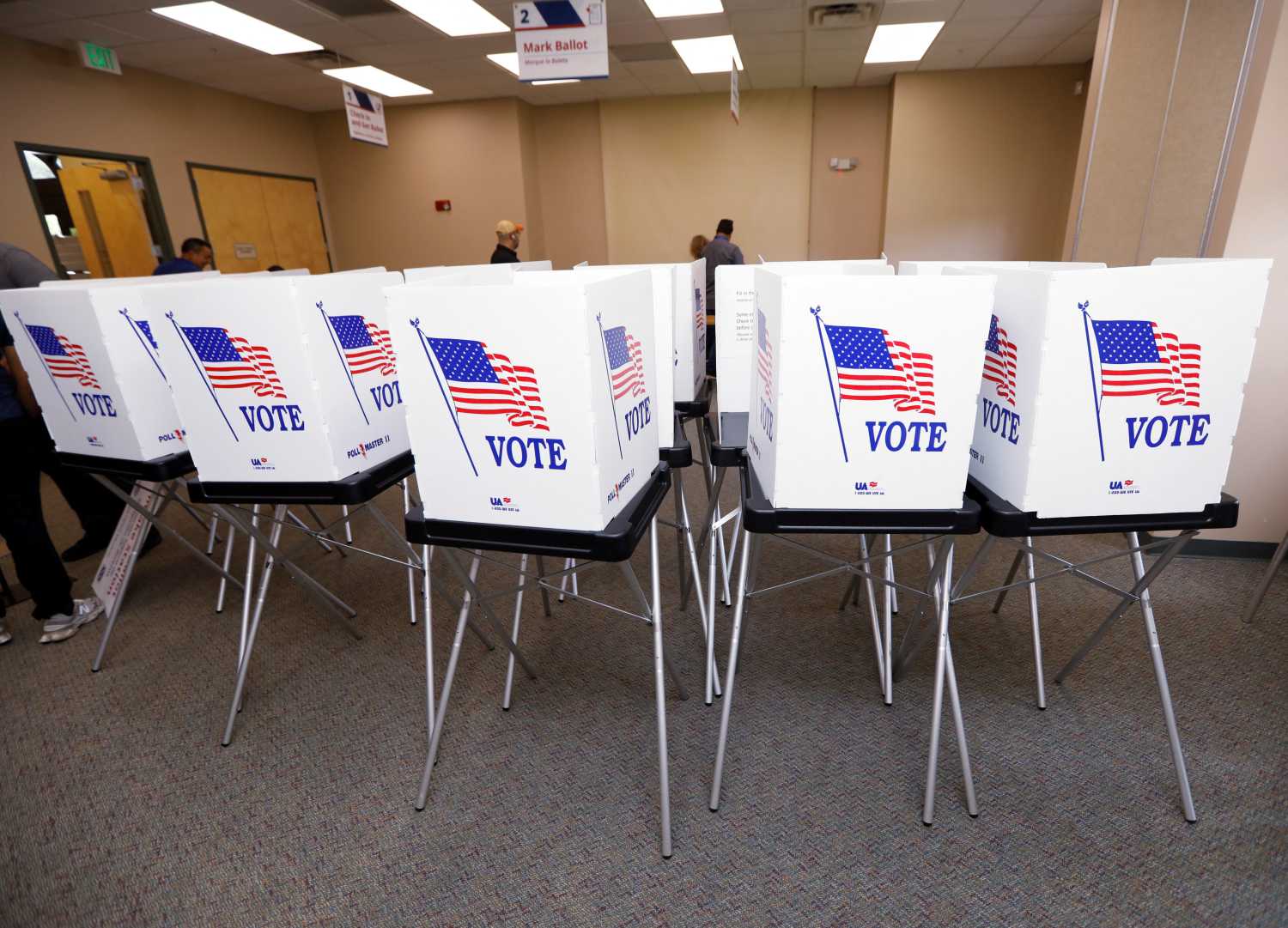
The first speaker started by going over the history of elections and why they are important. I learned that in 1787, the U.S. Constitution established the foundation of the American federal election system. Then, two years later, George Washington was elected as the first U.S. president. She also talked about how, in the past, many people were not allowed to vote, especially people of color. Voter registration is the process that allows eligible citizens to register so they can participate in elections and vote for the candidates they support. This is important because elections influence government decisions that can affect college costs, student loans, healthcare, housing, and job opportunities. I think this is especially important for college students because we have different ideas and concerns, and voting gives us a way to make our voices heard. The next speaker talked about the Electoral College and explained how it is the system the United States uses to elect its president. I learned that one of the reasons behind this system is to protect the role of individual states in presidential elections instead of relying only on the national popular vote. She also explained how, in other countries, people can directly vote for their president rather than going through the Electoral College process. Another important topic was the Voting Rights Act of 1965, which helped protect the voting rights of people of color by addressing discriminatory practices that prevented many from registering and voting. Until this day, voting systems continue to be updated through improvements to voting machines, digital equipment, and accessibility tools so that people with disabilities also have the opportunity to participate in elections.
Group 3
I was introduced to the history of the American economy and how it has influenced presidential elections throughout the years. The first speaker explained how the Great Depression, the Great Recession, and the COVID-19 pandemic affected millions of people. Not only did these events affect the economy, but they also influenced elections. During difficult economic times, people usually look for change and economic recovery. If a presidential candidate presents plans that people believe will improve their financial situations, those promises can influence how they vote. Another speaker explained that the economy is the system in which people produce, buy, and sell goods and services. It is important because it influences how much we earn, the cost of everyday items, and how many jobs are available. I also learned that other countries provide more public funding, universal healthcare, and broader social programs. While certain benefits in the United States, such as housing assistance, may depend on a person's income, other countries offer broader social benefits to their populations. Another speaker addressed the things voters consider when it is time to vote. Some examples include plans to address rising prices and housing costs, employment opportunities with fair wages, government financial aid, and decisions that influence businesses and communities. The group also mentioned national organizations such as United Way Worldwide, the National Urban League, and NFCC credit counseling, as well as local organizations in Miami-Dade County, including CareerSource South Florida and Catalyst Miami. These organizations help people with things such as interest rates, debt management, and financial literacy. They can also connect young workers with high-demand industries and provide resources when unexpected housing, healthcare, or inflation costs become a problem.
Group 2
Having spent more time working with my group, I realized how much we have progressed and improved as a team. This project was easier to complete because we already knew each other and understood how to work together. My partner and I started by explaining the history of immigration policies in the United States. While researching the history, I learned that immigration laws used to place strict restrictions on who could enter the country based on race and nationality. Over time, policies changed, and the system began placing more emphasis on things such as family reunification and employment skills. Florida's recent immigration policies include more aggressive state-led enforcement measures. For example, Senate Bill 1718 introduced several restrictions and requirements, including limits involving driver's licenses for undocumented individuals and requirements for hospitals to ask patients about their immigration status. Senate Bill 2-C addresses criminal penalties related to noncitizens voting, while Senate Bill 4-C introduces additional state-level criminal penalties related to immigration. We also discussed Operation Tidal Wave and the role of state facilities in Florida's immigration response. From my classmates' presentations, I also learned how global opinions and perspectives on immigration can be influenced by the decisions and policies of American politicians. Another interesting part was comparing the United States and Canada and how people can become citizens in each country. I learned that both countries have requirements involving permanent residency, language abilities, and citizenship tests or examinations. Someone else explained how local immigration organizations help immigrants and their families with the challenges they may face while living in the United States. National immigration organizations work across the country to influence immigration laws, protect people's rights, and shape how the government handles immigration.
Group 1
This group discussed education policies and started by explaining the history of public education and how America's public schools began. I learned from the first speaker that, back in the day, many schools were run by local communities. Because of this, school attendance, quality, and access varied depending on a person's location, family income, and race. As tax-supported schools became more common, education started to be viewed as an important part of creating opportunities, developing citizenship, and participating in democracy. During the education reform movement, Horace Mann argued that every child should have access to basic education. Reformers pushed for public schools supported by taxes, better-trained teachers, and more consistent school standards. From another speaker, I learned about the history of standardized testing and how it affects students today. Standardized tests can influence whether students are promoted to the next grade or graduate, which can create a lot of stress. Teachers can also feel pressured to focus on preparing students for exams because test results can affect how schools are evaluated. The speaker explained that schools with higher-performing students may receive bonuses and teachers may receive raises, while schools with lower scores may have to follow a turnaround plan while continuing to receive state support. Another topic discussed was how Florida has passed laws that give parents more control over what their children learn in school. Supporters of these laws argue that parents should have a say in what their children are exposed to, especially when discussing sensitive topics. There are three important groups involved in this debate. First, the state government creates education laws and argues that they are necessary to protect students. Next, schools and school districts have to follow these laws while deciding which books and materials are appropriate for their students. Finally, the courts determine whether these laws follow the Constitution. Similar to what the economic group discussed, I also learned that some other countries offer tuition-free or more affordable education, which creates a difference in how students pay for their education compared to those in the United States.


Comments
Post a Comment